
Practical Anxiety Management Techniques to Try

Anxiety can feel like an uninvited guest who overstays their welcome. You know the feeling - your heart races, your mind spins, and suddenly, even the smallest tasks seem like mountains to climb. But here’s the good news: there are practical ways to manage anxiety that don’t require a magic wand or a secret potion. You and I can explore some simple, effective stress relief methods together. Ready to take a deep breath and dive in?
Understanding Stress Relief Methods That Actually Help
Before we jump into the how-to’s, let’s take a moment to understand what stress relief methods really mean. It’s not about escaping your feelings or pretending everything is fine. Instead, it’s about finding tools that help you face anxiety with a bit more calm and control.
Think of stress relief methods as your personal toolkit. Some tools might be a hammer, others a screwdriver, but each one has a purpose. For example:
Breathing exercises help slow down your racing heart.
Mindfulness practices bring your focus back to the present moment.
Physical activity releases tension and boosts mood.
The key is to find what fits you best. And yes, it might take a little experimenting, but that’s part of the journey.

Breathing Techniques: Your Instant Calm Button
When anxiety strikes, your breath often becomes shallow and quick. It’s like your body is stuck in fight-or-flight mode. But here’s a secret: your breath is also your quickest way back to calm.
One of my favourite breathing exercises is the 4-7-8 technique. It’s simple and you can do it anywhere:
Breathe in quietly through your nose for 4 seconds.
Hold your breath for 7 seconds.
Exhale completely through your mouth for 8 seconds.
Repeat this cycle 3-4 times. You’ll notice your heart rate slowing and your mind settling. It’s like hitting the reset button.
Another great method is box breathing. Imagine drawing a square with your breath:
Inhale for 4 seconds.
Hold for 4 seconds.
Exhale for 4 seconds.
Hold again for 4 seconds.
This rhythmic breathing helps regulate your nervous system and brings a sense of balance.
Movement and Mindfulness: A Dynamic Duo for Stress Relief
Sometimes, sitting still and focusing on your breath isn’t enough. Your body might need to move to shake off the tension. That’s where gentle exercise and mindfulness come in.
Try a short walk outside, paying attention to the sights, sounds, and smells around you. Notice the crunch of leaves underfoot or the warmth of the sun on your skin. This kind of mindful movement helps ground you in the present and distracts from anxious thoughts.
Yoga is another fantastic option. It combines physical postures with breath control and meditation. Even a 10-minute session can leave you feeling more centred and less overwhelmed.
If you’re new to mindfulness, start small. Set aside 5 minutes to sit quietly and focus on your breath or a simple mantra like “I am safe.” When your mind wanders (and it will), gently bring it back without judgement.

Creating a Supportive Environment for Your Wellbeing
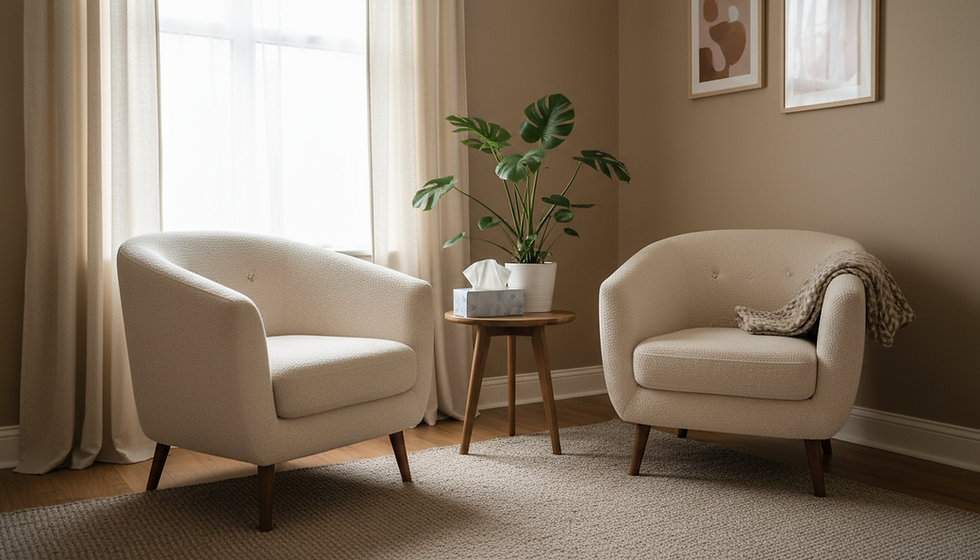
Your surroundings play a huge role in how you feel. A cluttered, noisy space can add to your stress, while a calm, organised environment can soothe your mind.
Here are some tips to create a supportive space:
Declutter regularly: A tidy space can help clear your mind.
Add natural elements: Plants, fresh flowers, or even a small water fountain can bring peace.
Use soft lighting: Harsh lights can be jarring; opt for lamps or candles.
Limit screen time: Too much exposure to screens, especially before bed, can increase anxiety.
Also, consider setting boundaries with technology. Maybe designate “no phone” times during your day to disconnect and recharge.
Building a Routine That Supports Mental Wellbeing
Routines might sound boring, but they’re actually a powerful way to manage anxiety. Having a predictable structure can reduce uncertainty and help you feel more in control.
Here’s a simple way to build a routine that supports your mental health:
Start with sleep: Aim for 7-9 hours of quality rest. Try to go to bed and wake up at the same time every day.
Include regular meals: Balanced nutrition fuels your brain and body.
Schedule breaks: Short pauses during your day to stretch, breathe, or have a cup of tea.
Set realistic goals: Break tasks into small, manageable steps.
Make time for joy: Whether it’s reading, gardening, or chatting with a friend, do what makes you smile.
Remember, routines are flexible. Life happens, and that’s okay. The goal is progress, not perfection.
When to Reach Out for Extra Support
Sometimes, despite our best efforts, anxiety feels too big to handle alone. And that’s perfectly normal. Seeking help is a sign of strength, not weakness.
Talking to a trusted friend, family member, or professional can provide relief and guidance. There are also many resources available, including therapy, support groups, and online programmes.
If you want to explore more about effective anxiety management techniques, The Mind Loft offers tailored support designed to help you overcome mental barriers and build lasting confidence.
Taking the First Step Towards Calm
Managing anxiety is a journey, not a sprint. It’s about finding what works for you and gently weaving those practices into your life. Maybe it’s a few deep breaths in the morning, a mindful walk at lunch, or a calming bedtime routine.
You don’t have to do it all at once. Start small, be kind to yourself, and celebrate every little victory. After all, every step forward is a step towards a calmer, more centred you.
So, what’s one small thing you can try today? Maybe it’s closing your eyes and taking a deep breath right now. You’ve got this.
If you found this helpful, feel free to share it with someone who might need a little calm today.


Comments